Winter sports injuries: Skiing, snowboarding and ice falls
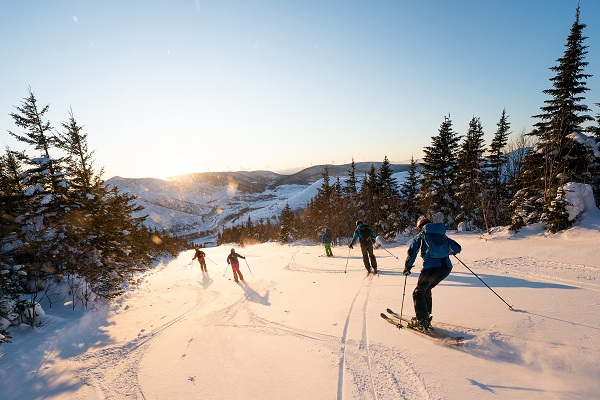
Being able to participate in winter sports like skiing and snowboarding is one of the perks of living in the Pacific Northwest.
However, surgeons at Salem Health Orthopedics say the winter months usually show a spike in orthopedic injuries. This is due to snow sports, icy conditions and high-impact recreational activities.
Daniel Elkin, MD, is a sports medicine orthopedic surgeon specializing in knee and shoulder care. Dr. Elkin said the most common injuries he sees during this time of year are knee injuries, wrist and forearm fractures, shoulder injuries, sprains and breaks in the ankle and lower leg, as well as head and spine injuries.
The most common winter injuries
“Among skiers, anterior cruciate ligament (ACL) injuries are the most frequently treated serious injury, due to twisting falls and the rigid ski boot transferring force directly to the knee,” said Dr. Elkin.
The orthopedic surgeon said skiing places the knee in a vulnerable position.
“When a ski catches an edge or fails to release during a fall, the lower leg can rotate while the body continues moving forward,” said Dr. Elkin. “This twisting force is a classic mechanism for ACL injury.”
Dr. Elkin said he recommends surgery for shoulder or knee injuries that limit function, displaced or unstable fractures and unstable ligament injuries, such as ACL tears.
New technology at Salem Health Orthopedics
“Certain ACL injuries — especially those sustained while skiing — may be amenable to ACL repair rather than reconstruction,” he said. “The BEAR® (Bridge-Enhanced ACL Repair) implant is a newer option that allows the surgeon to preserve and heal the patient’s native ACL rather than replacing it with a graft.”
Dr. Elkin said for patients who qualify, this is an exciting alternative to traditional ACL reconstruction. However, early evaluation is critical when determining candidacy.
The sports medicine surgeon said for other winter injuries, nonoperative treatment can be the best path.
Those options can include bracing, physical therapy, anti-inflammatory medications and avoiding high-risk activities.
“Whether treated nonoperatively or surgically, the goal after a winter sports injury is the same: A stable, confident return to activity,” said Dr. Elkin. “Advances in sports medicine allow for more individualized treatment than ever before. Early evaluation is key to identifying the best treatment option and protecting your long-term joint health.”
Orthopedic care
Are you facing a sports-related injury? Learn more about: