Meet your MEC: Maurice Collada, Jr., MD
April 5, 2026An artist’s son turns to medicine to change patients’ lives
By: Emily Sweet, internal communications lead
In this series, we’ll meet members of the Medical Executive Committees (MECs) at Salem and West Valley hospitals so you can get to know the people behind these leadership roles. Next up, Salem Hospital Surgical Specialty Department Chair Maurice Collada, Jr., MD. Dr. Collada specializes in neurosurgery.
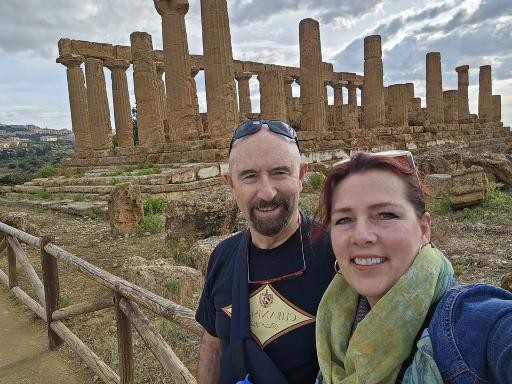
What does it mean to be the Surgical Specialty Department Chair for Salem Hospital?
I quickly learned that if I wanted to make a major difference in the medical community being a neurosurgeon only would not suffice for me. I have been involved in the medical leadership of Salem Health since 1985 and was Chairman of Surgery in 1991. The MECs put enormous time and effort into improving Salem Health, and I do not believe it’s something many medical staff realize. I am in love with my medical profession and enjoy my relationship with medical professionals — they are bright and dedicated to others, a wonderful and addicting blend of attributes.
You’ve spent nearly 43 years in our health system! What do you enjoy most about Salem Health?
Its evolution and the genuine effort from the administration to positively evolve the relationship between medical staff, hospital staff and the administration.

What drew you to medicine?
I grew up wanting to make a difference — in fact I wanted to be Alexander the Great, having read his stories, and yet I realized being a significant force in a family's trajectory would be “great” in of itself, so I did not join the military, I became a doctor.
One of my twin sisters almost died right after she was born in Cuba. A young doctor, Doctor Salinas, had gone back to Cuba from Harvard. My sister was prepared for her next life and was given her last rites as a baby. Dr. Salinas had new antibiotics and an incubation device very new to Cuba. He took her from the priest as they finished, and, with his new skills, saved her. Dr. Salinas changed my sister's trajectory — and my family's trajectory — and his dedication and efforts developed a sort of heroic dimension in the retelling of the story within my family.
My family was poor — we were immigrants who worked continuously to make a living. My parents were successful at providing for us all, but college was not in the realm of what they could achieve. I learned the ropes, learned about scholarships and grants, and applied for about 50. I was able to attend the University of Miami, much to my parents' amazement!
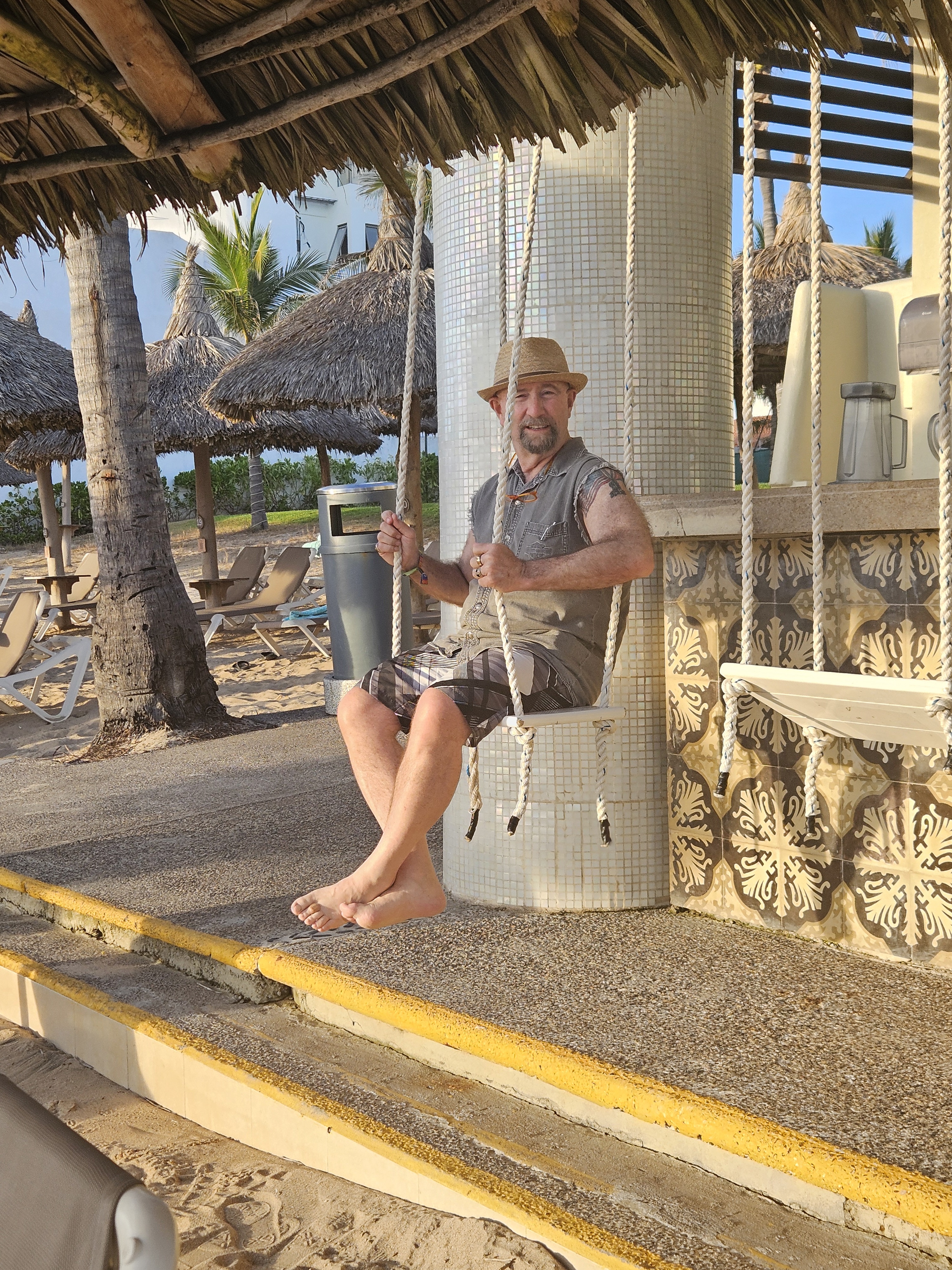
Why neurosurgery specifically?
Neurosurgery evolved as I realized my nature and impatience favored being a surgeon. My fascination for the mind, our psychology and our brain function pushed me to focus on neurosurgery. The unique challenge this field of surgery gave me matched my temperament and has not disappointed me through the years.
What do you want most for your patients?
I want them to know I am humbled by their choice of trusting me with their neurosurgical needs and I bring all my experience into helping their lives be better. Despite my neurosurgical ability and skills, which have allowed me success throughout my years in practice, I consider my strongest skill discerning when surgery is appropriate and when it is not. In my soon-to-be 43 years of practice, I have been fortunate to hear from numerous patients who are thankful for my surgical interventions as well as from the many whom I helped avoid surgery.
Your father had a big impact on your life! Tell us more.
My father, whom I admired beyond words, was an immensely successful artist. He trained with Diego Rivera under the tutelage and training of David Alfaro Siqueiros of Mexico. He chose commercial art in Cuba after I was born, saying, “The life of an artist was not that of a family man,” for which I am infinitely grateful. He became immensely successful in the commercial art area until it was all taken from him overnight in 1961.
I entertained following my father’s footsteps but was daunted by his excellence in art and his amazing talent. This is not to say I also did not consider other ideas! I thought I could become a singer and become an Elvis-type personality. In my teens, the days of 007 fanfare, I thought I could join the intelligence service. Alas, I settled for medicine and neurosurgery.
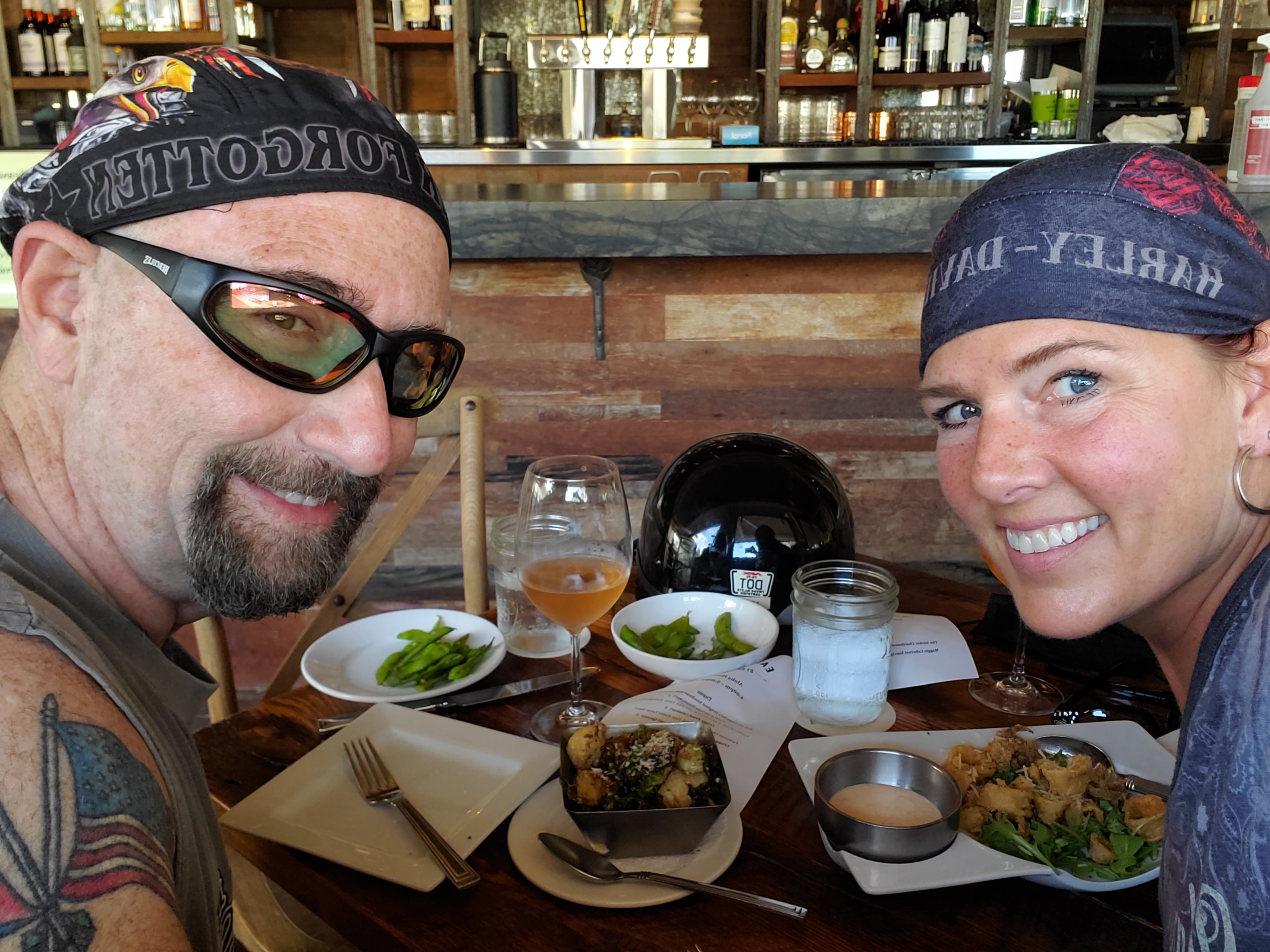
And now, you’re a father yourself!
I am a proud father and I believe this to be my major achievement in life. My children are my true legacy and sources of admiration in my life and through my wife, Debra, a registered nurse, I have more children, equally wonderful. I am a father to six children — one adopted, three of my own, and two through my marriage to Debra. I also have six grandchildren. I am a very lucky husband of a fantastic loving and supportive wife. I love enjoying life, and through the wine industry and our fabulous vineyards, I was given another window to get to know fabulous people and travelers, which adds to my joy.
You own vineyards! What are you drinking?
Pinot noir. Rosado de Pinot noir is also to die for. And Pinot gris is not far behind.
What’s something about you we’d never guess?
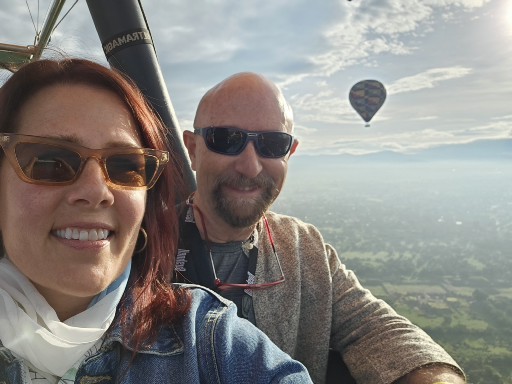
I have enjoyed flying planes in the past and still relish motorcycles trips with my wife. I have skydived in the past, and recently, my wife and I both jumped out of airplanes doing “buddy skydiving.”
You’re a longtime Broadway and Ashland theatre fan. What’s a play you’ll never forget?
“Phantom of the Opera,” which I attended with my family, fully dressed up as the Phantom.
Favorite books?
Too many! “The Mambo Kings Play Songs of Love” by Oscar Hijuelos, “Waiting for Snow in Havana” by Carlos Eire, “Alexander Hamilton” by Ron Chernow, “Consilience” by E.O. Wilson, and “Conquistador” by Buddy Levy.
Favorite sports team?
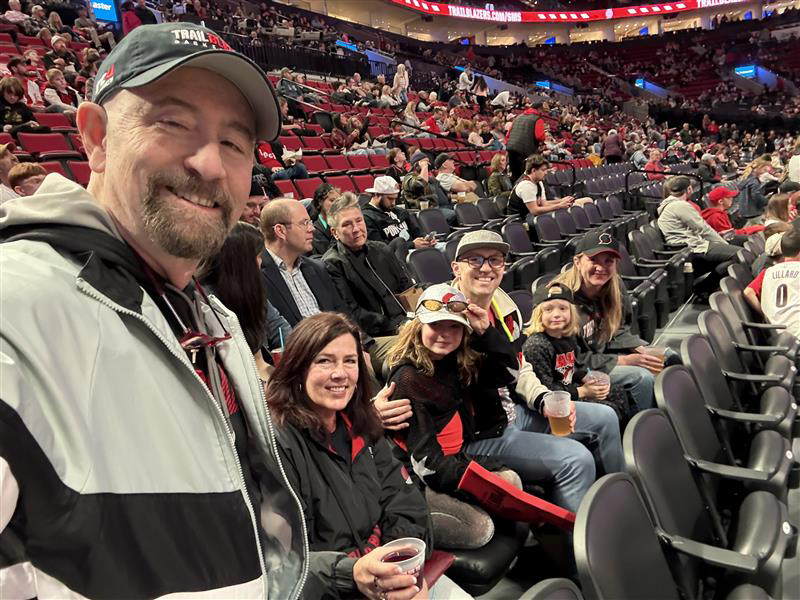
Since my arrival in Oregon, the Portland Trailblazers have been a central part of my world and, though I will never give them up, I am now focusing on the Portland Fire WNBA team. I am a big sports fan in general — football, basketball and, increasingly, soccer.
What’s the best advice you ever received?
I have embraced and received help from so many throughout my years in medical practice that I could not do this question justice with one answer. My father equipped me as a young man with his actions and multitudes of wisdom. We worked together from when I was 12 until I left for medical school at 21. One particular concept he often mentioned happens to be expressed in my favorite poem, “The Desiderata” — yes, I am a child of the ‘60s.
What’s one of your favorite places in Oregon?
Simple — Crater Lake National Park, but equally up there is the gorgeous Mount Hood. I see this awe-inspiring visage of nature every morning and pinch myself at my great fortune. Oregon enchanted me from the moment I came here, by sheer serendipity, to consider a neurosurgical position in 1983.
I was lucky to end up in Salem and Salem Hospital has been my professional home since then.
Thank you for sharing with us, Dr. Collada! We look forward to speaking with our next MEC member, West Valley Hospital Surgical Specialty Department Chair, Eric Laro, MD, in our next issue.