What to expect when you fracture a bone
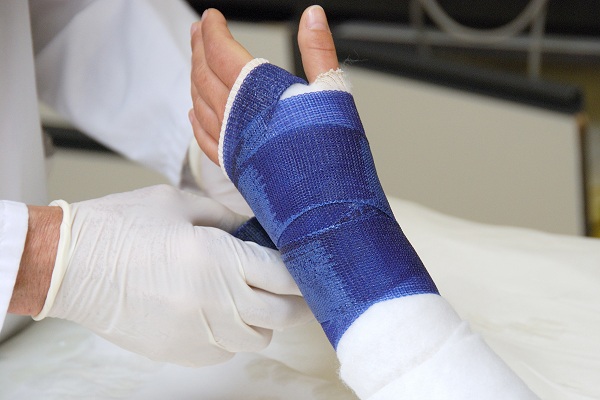
Fracture patterns vary significantly by age.
Trauma surgeons at Salem Health Orthopedics find that children commonly fracture the wrist, forearm, elbow or collarbone, often from falls or sports.
Noelle Van Rysselberghe, MD, said younger adults can sustain wrist, ankle, hand and collarbone fractures in medium energy falls. Femur, hip and pelvic injuries from traumatic incidents, such as car accidents, are also common.
“In older adults, lower bone density increases the risk of wrist, hip and upper arm fractures from low energy falls,” said Dr. Van Rysselberghe.
When is surgery needed?
The trauma surgeon said, as a general rule, surgery is often considered when a fracture is displaced, unstable, open, involves a joint or cannot be maintained in proper alignment with a cast or brace. However, this varies considerably depending on the fracture location.
“Small, stable fractures heal fastest,” said Dr. Van Rysselberghe. “Larger weight-bearing bones, open fractures, injuries with poor blood supply or significant soft-tissue damage may take months or longer.”
Dr. Van Rysselberghe said any suspected fracture should receive prompt medical attention.
“Orthopedic consultation is especially important for displaced or unstable fractures, open fractures, injuries involving a joint, growth plate, hip, pelvis or major long bone, dislocations or delayed healing,” she said.
Emergency care is needed if bones are visible, the limb is severely deformed, pain or swelling rapidly worsens, or there is numbness, weakness, loss of pulse, or a pale or cool hand or foot.
Supporting a successful recovery
There are several things patients can do to support a successful recovery, the orthopedic surgeon said. This includes following instructions on weight-bearing, cast or splint care and activity restrictions.
“Ice, elevation and recommended pain control can help early symptoms,” said Dr. Van Rysselberghe. “Good nutrition, adequate protein, calcium and vitamin D, as well as avoiding nicotine and managing conditions such as diabetes also support healing.”
Dr. Van Rysselberghe notes most fractures take six to 12 weeks to heal.
“There is wide variation depending on the age and general health of the patient as well as the fracture location,” she said. “Fractures in children are typically the fastest to heal. And some fractures in adults may take as long as six to nine months to heal.”
Orthopedic care
Do you need orthopedic care for a fracture? A referral is not needed to schedule an appointment. Call today!
Learn more about: