Cholesterol explained: What your numbers mean
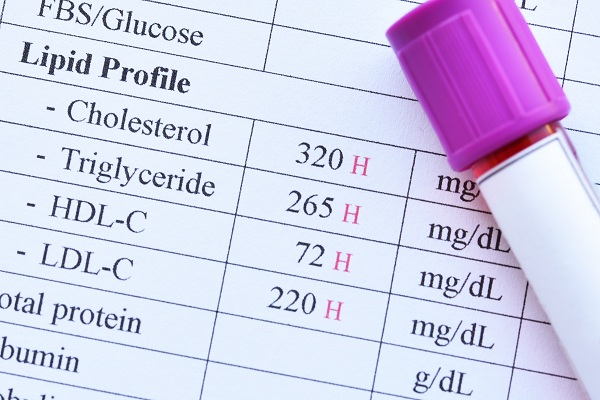
One of the challenges with high cholesterol is it usually causes no symptoms. Most people feel completely normal, which is why it often goes undetected for years.
Tyler Lonsford is a nurse practitioner at Salem Health Medical Clinic – Independence. Lonsford said he reviews cholesterol labs almost every day.
Different types of cholesterol
“One of the most common misconceptions I see is people focusing on their total cholesterol while ignoring everything else on the panel,” he said. “Total cholesterol is often one of the least useful numbers by itself.”
Lonsford said he pays the most attention to LDL cholesterol, which is often referred to as “bad” cholesterol. Higher LDL levels increase the risk of plaque buildup in the arteries over time.
“HDL is considered ‘good’ cholesterol because it helps remove cholesterol from the bloodstream,” said Lonsford. “Triglycerides are another important number, especially because elevated levels are commonly associated with obesity, diabetes, insulin resistance and excess alcohol intake.”
The nurse practitioner said he wants patients to know cholesterol is not just about what you eat.
Causes of high cholesterol
“I've had patients who exercise regularly, maintain a healthy weight and still have elevated cholesterol because it runs strongly in their family,” said Lonsford. “I've also had patients with less-than-perfect diets whose cholesterol numbers look relatively good. The reality is that everyone's body handles cholesterol a little differently.”
In addition to genetics, cholesterol levels can be influenced by obesity, physical inactivity, diabetes, kidney disease, thyroid disorders and certain medications.
Long-term impacts
So, what are the long-term impacts of high cholesterol?
“I frequently compare high cholesterol to high blood pressure,” said Lonsford. “Neither typically makes you feel sick, but both can quietly increase the risk of serious health problems over time.”
When elevated cholesterol contributes to plaque building up inside the arteries, blood flow can reduce and increase the risk of a heart attack, stroke and peripheral artery disease.
"The good news is that cardiovascular disease develops over decades, not overnight,” said Lonsford. “Identifying elevated cholesterol early gives us an opportunity to lower risk long before complications occur.”
Cholesterol management
Lonsford said for most patients, the best way to manage cholesterol is through lifestyle changes. That includes regular exercise, maintaining a healthy weight, avoiding tobacco products and eating a diet rich in vegetables, fruits, whole grains, lean proteins and healthy fats. The nurse practitioner warns supplements and “hacks” usually aren’t the solution.
“Long-term dietary patterns matter far more than any individual food,” said Lonsford. “Small changes that can be maintained for years are usually more effective than aggressive diets that only last a few weeks.”
When is medication needed?
Lonsford said there are times when lifestyle changes aren’t enough. If patients have a history of heart attack or stroke, or multiple cardiovascular risk factors, he’ll open a conversation about medication.
“Statin medications have been studied extensively and have consistently been shown to reduce the risk of heart attack and stroke in appropriate patients,” Lonsford said. “Some people can achieve their goals through lifestyle changes alone, while others have a genetic predisposition that makes medication a valuable tool.”
The nurse practitioner said he rarely makes treatment decisions based on a single number.
“Cholesterol is only one piece of a much larger picture,” said Lonsford. “A patient's age, blood pressure, smoking history, diabetes status, family history and other risk factors all help determine how concerned I am about a particular cholesterol result.”
Primary care services
Are you interested in scheduling a health screening? Learn more about:
- Our providers
- Our clinics
- How to receive care at Salem Health